 Image 1 of 1
-
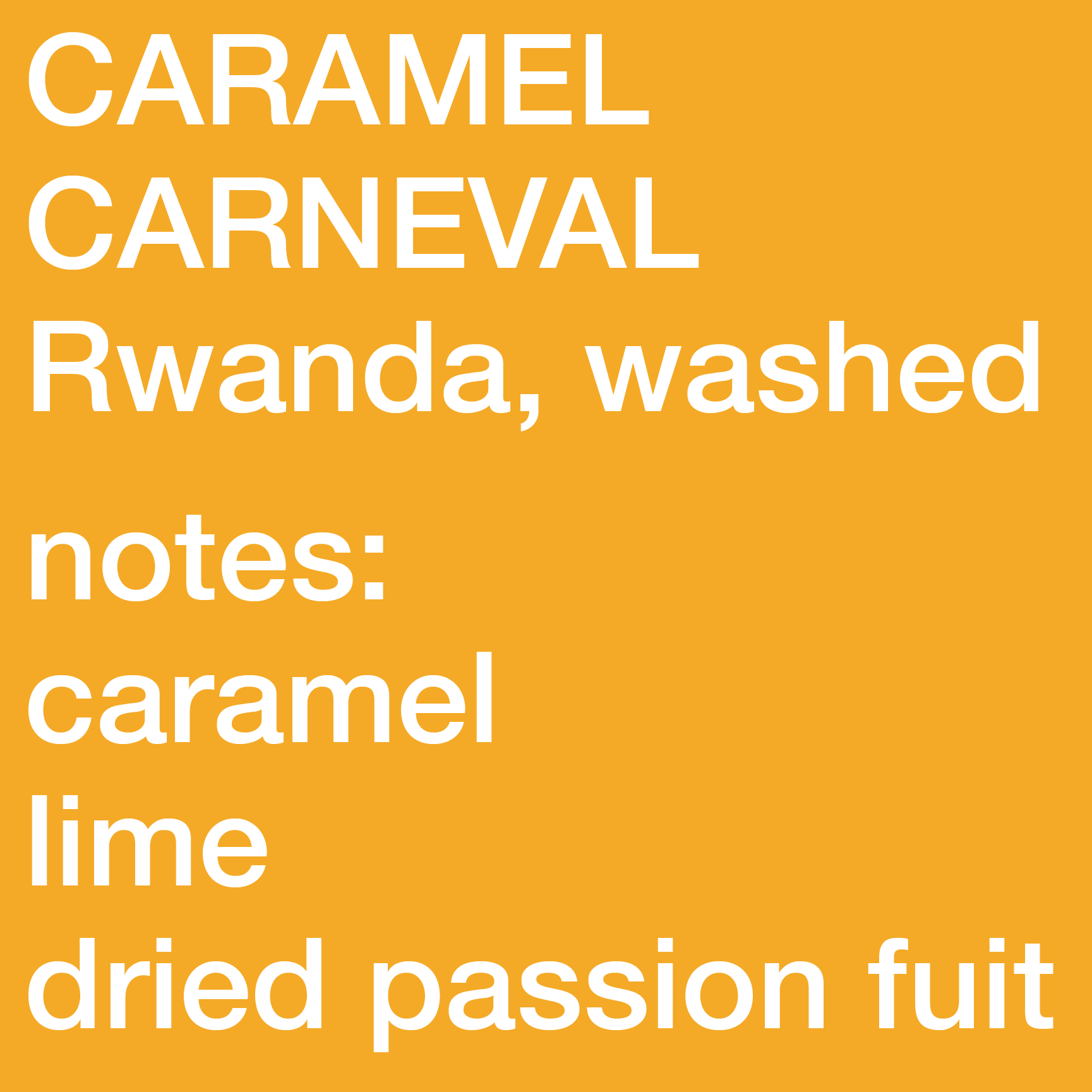
Sweetness: Caramel
Acidity: Lime
Aftertaste: Rose hip -
Origin: Rwanda
Region: Western Province (Nyamasheke)
Washing Station: Cyato
Farm / Producer: Abadatezuka Cooperative Nsinduka
Variety: Bourbon
Process: Washed -
PROCESSING
Cherries are handpicked by smallholder farmers and delivered the same day to Cyato washing station. After depulping, the coffee is fermented in open-air tanks for 12–18 hours.
Following fermentation, the coffee undergoes a distinctive soaking stage in clean water for up to 24 hours a method commonly used in Rwanda to enhance clarity and structure in the cup. After soaking, the remaining mucilage is removed before the coffee is carefully dried on raised African beds.
This slow and controlled drying process ensures even moisture reduction and helps preserve the coffee’s clean, fruit-forward profile.
HISTORY
The Abadatezuka Cooperative consists of smallholder farmers located in Rwanda’s Western Province, near Lake Kivu and the Nyungwe Forest. Coffee is grown at high elevations in fertile soils composed of sandy and rich black humus, creating ideal conditions for high-quality production.
The Cyato washing station, established in 2017, receives cherries from several surrounding communities, including Nsinduka, contributing to traceable microlots like this one.
The region’s ecosystem plays a key role in cup quality. Native honeybees from the nearby Nyungwe forest contribute to pollination, while the lake-influenced climate provides stable temperatures that support slow cherry maturation and enhanced flavor development.
Farmers in the cooperative rely on traditional, organic-leaning practices, avoiding synthetic fertilizers and pesticides. Combined with Rwanda’s broader shift toward specialty coffee production, microlots like this represent the country’s focus on quality, traceability, and expressive terroir.